
@icees_uniosun
- 24 - 26 November 2026
- 8:00 AM – 3:30PM
- Olagunsoye Oyinlola Auditorium
- Osun State University,Osogbo,Nigeria
- 08033220022
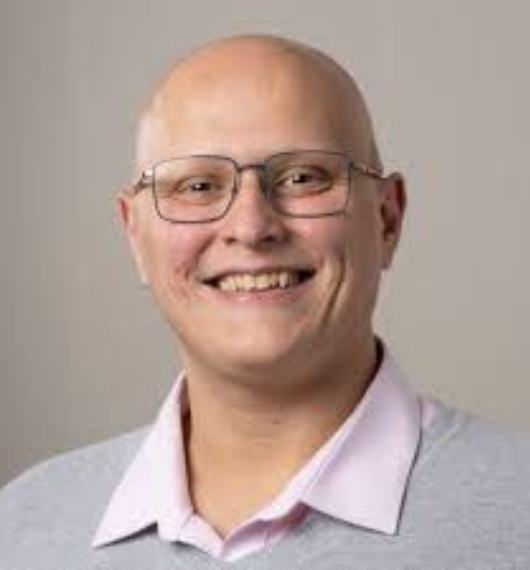
Professor Theodore Hanein is Chair in Construction Materials Science in the School of Civil Engineering at the University of Leeds, United Kingdom. A chemist and chemical process engineer, his research focuses on the decarbonisation and circularisation of the global cement and concrete industries through the development of sustainable construction materials and low-carbon manufacturing technologies.
Professor Hanein holds undergraduate degrees in Chemistry and Chemical Engineering, a Master’s degree in Advanced Process Design and Integration from the University of Manchester, and a Ph.D. in Cement/Clinker Thermochemistry from the University of Aberdeen. Before joining the University of Leeds, he spent nearly eight years at the University of Sheffield, progressing from postdoctoral researcher to Associate Professor of Low-Carbon Cement and Concrete.
As a UKRI Future Leaders Fellow, he leads pioneering research on Green, Circular, and Smart Cement Manufacture, investigating innovative approaches to reducing carbon emissions associated with Portland cement production. His work explores the replacement of virgin raw materials with industrial by-products, particularly iron-rich residues and steel slags, to promote resource efficiency and support the circular economy.
He is the Principal Investigator of the UKRI-funded FeRICH project, which develops sustainable pathways for incorporating steel industry by-products into cement manufacturing. His research also advances mineral carbonation technologies for permanent carbon dioxide sequestration in construction materials.
Professor Hanein is an active leader within the international engineering community. He is a professional member of the Institute of Materials, Minerals and Mining (IoM3), a Senior Member of RILEM and Deputy Chair of RILEM Technical Committee UMW, and Vice President of ISCOWA, contributing significantly to the advancement of sustainable, low-carbon construction materials and the transition towards a global net-zero built environment.